Why Today's Security Services Are Critical in the Modern Risk Climate
Within today's quickly shifting risk environment, you must not disregard modern security services. Online threats are increasingly advanced, and physical breaches can cripple your business. With economic impacts and reputation deterioration on the line, it's crucial to understand how comprehensive security solutions protect your interests. But what exactly makes these services essential? Let's examine the components that can safeguard your organization from developing threats.
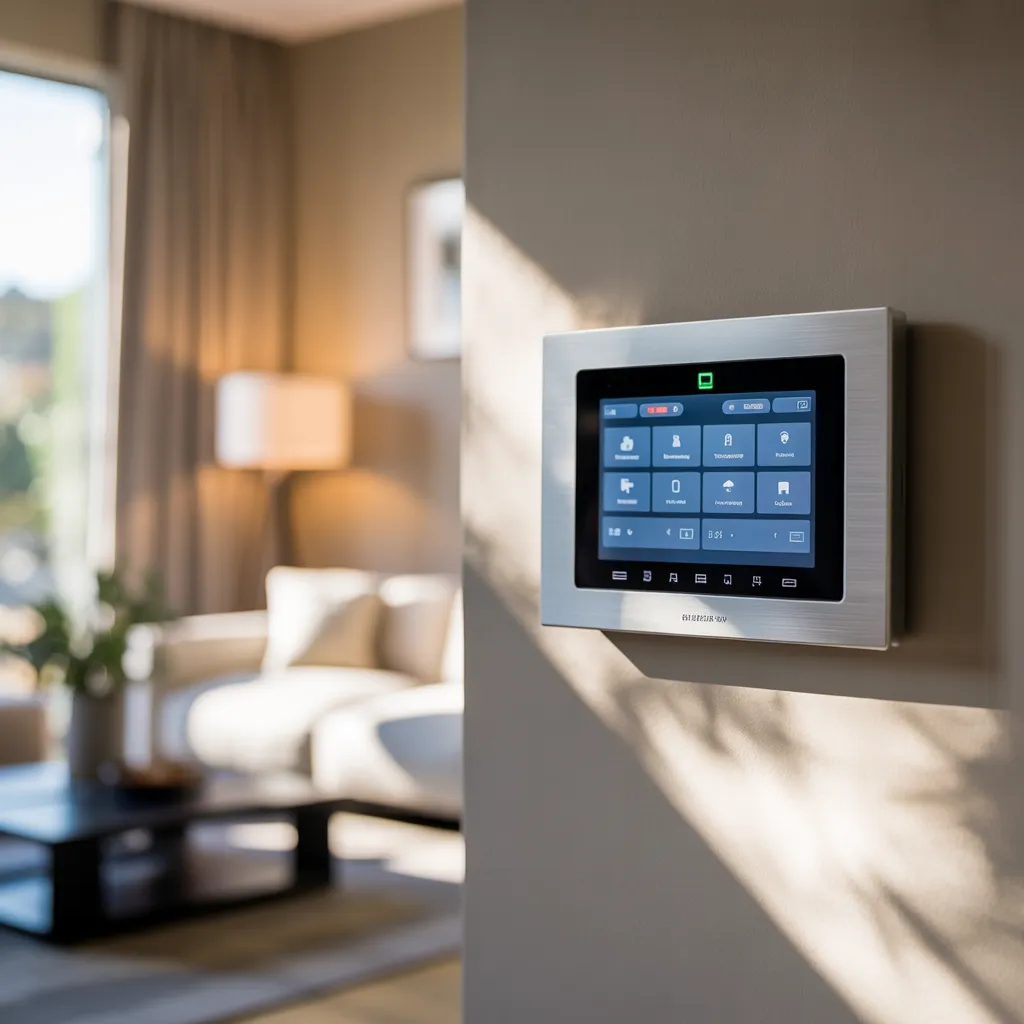
Modern Security Needs: Navigating the Evolving Risk Landscape
As enterprises journey through an increasingly sophisticated realm, recognizing today's security demands becomes crucial. You encounter an environment populated with varied dangers, from physical breaches to digital vulnerabilities. Acknowledging these changing threats allows you to preventively secure your valuables. You must evaluate your distinct weaknesses and rank security protocols that handle them efficiently.

Committing to comprehensive security solutions can reinforce your defenses, ensuring that you're prepared for whatever challenges occur. Regular training and awareness programs for employees are crucial, as human error often plays a significant role in security breaches. By remaining current on current trends and technologies, you can modify your strategies accordingly. Ultimately, a proactive approach to security isn't just about protection; it's about building trust and resilience within your organization.
In What Ways Do Cyber Threats Impact You and Your Business?
Cyberattacks can strike your organization severely, bringing about significant financial losses and unanticipated expenditures. They also jeopardize your credibility and diminishing client reliability, which can take years to rebuild. Furthermore, steering through the intricacies of compliance requirements becomes even more challenging in the wake of a security incident.
Economic Consequences of Attacks
If your business suffers a cyber attack, the financial repercussions can be catastrophic. You might encounter immediate costs for recovery efforts, including hiring cybersecurity consultants and repairing damaged systems. Moreover, there are often hidden costs like lost productivity and disrupted operations that can remain long after the attack. You could also face legal fees if sensitive customer information is compromised, resulting in potential lawsuits and fines. Your insurance premiums may increase, adding to Barcom Security your long-term expenses. If you depend on third-party vendors, their vulnerabilities could also affect your financial stability. Ultimately, the cumulative effect of these factors can severely strain your budget, making it vital to invest in advanced security services to mitigate these risks and protect your bottom line.
Damage to Reputation and Trust
Trust stands as a fragile element in our current digital environment, and a security breach can break it in an instant. When hackers breach your systems, the fallout can be severe. Customers may lose faith in your capacity to safeguard their data, causing a reduction in business. You could see that negative publicity travels fast, harming your company's standing. Once trust is lost, it requires substantial time and effort to rebuild. Your rivals may exploit your misfortune, further weakening your market position. It's essential to understand that the repercussions of a security threat extend beyond immediate financial losses; they can deeply impact your ongoing partnerships with clients and stakeholders. Implementing advanced security services is vital for safeguarding your reputation and ensuring trust endures.
Compliance and Regulatory Challenges
As companies progressively depend on digital operations, managing regulatory compliance becomes a formidable challenge, especially in the wake of cyber threats. You face an ongoing struggle to stay updated with constantly changing regulations like GDPR or HIPAA, all while ensuring your systems are secure. A single data breach can not only result in severe fines but also damage your trustworthiness. Compliance doesn't just mean ticking boxes; it requires an active strategy to security, engaging with continuous monitoring and risk assessments. The pressure to protect sensitive information can feel overwhelming, but investing in modern security services can help you navigate these complexities. With the right support, you can secure your company and maintain compliance, allowing you to focus on growth instead of fear.
Why Physical Security Matters Today
In today's world, the threat landscape is constantly changing, making physical security more essential than ever. You need solid access control measures to protect your assets and ensure only authorized individuals can gain entry to your premises. Overlooking physical security could leave your business susceptible to risks that can quickly intensify.
Evolving Security Threat Landscape
While the digital age has altered how we communicate and conduct business, it has also led to an increasingly sophisticated threat landscape that necessitates robust physical security measures. You must not disregard the fact that threats now arise from various sources, including organized crime, cybercriminals, and even disgruntled employees. As technology evolves, so do the tactics used by those planning to cause harm. Your business premises are susceptible to physical breaches that can compromise confidential data and essential assets. By focusing on physical security, you provide a safer environment for both employees and customers. Investing in surveillance systems, security personnel, and emergency response plans is essential. Ultimately, staying ahead of these developing threats is essential for maintaining your organization's integrity and reputation.
Importance Of Implementing Access Control
Access control functions as a cornerstone of robust physical security, ensuring that only authorized individuals can enter specific areas within your organization. By establishing comprehensive access control measures, you can safeguard sensitive information and assets from unauthorized access. Whether through key cards, biometrics, or security personnel, these systems help you manage who can enter, when, and for how long.
In the modern security landscape, where dangers develop swiftly, it's critical to adapt your access control methods. Physical security not only prevents intruders but also cultivates a secure environment for employees and visitors. By emphasizing access control, you display your dedication to safety and security, protecting your organization's operational integrity and reputation. Never underestimate the critical nature of these measures in your overall security plan.
Key Elements of Comprehensive Security Services
Comprehensive security services rely on several vital components that work together to create a strong protection framework. First, risk assessment works to identify vulnerabilities and prioritize threats, confirming your resources focus where they're needed most. Next, integrated technology, such as surveillance cameras and access control systems, delivers real-time monitoring and data collection. Training personnel to recognize security issues is also vital; well-prepared staff can act rapidly in emergencies. Additionally, incident response plans are vital for minimizing damage when breaches occur. Finally, regular audits and updates make certain your security measures adapt to evolving threats. By incorporating these components, you'll create a robust security service that effectively protects your assets and enhances overall safety.
Is It Worth Investing in Security Services?
Purchasing security services can appear challenging, especially with countless options accessible. However, when you evaluate the advantages, it's clear that security services are a valuable investment. They deliver peace of mind, knowing that your resources, employees, and customers are protected. With the rise of cyber threats and physical security dangers, having a strong security system has become essential; it's essential.
In addition, a reliable security service can avert potential losses and reduce liability, ultimately saving you money in the long run. Reflect on the value of your reputation—security breaches can damage it irreparably. By employing security services, you're not just protecting your business; you're investing in its future. It's a smart move you won't regret.
Picking the Right Security Service for Your Specific Needs
How can you determine which security service is ideal for your individual needs? Commence by assessing your risks and vulnerabilities. Pinpoint what assets you need to safeguard—whether it's physical property, data, or personnel. Next, evaluate the type of security service that aligns with your situation. Do you need armed guards, surveillance systems, or cybersecurity solutions? Consider your budget and the level of expertise required. Explore potential providers, looking for reviews and their experience in your industry. Don't hold back to ask questions about their protocols and technologies. Finally, confirm the service can accommodate your changing needs. By taking these steps, you'll be more ready to pick a security service that provides effective protection suited to your unique circumstances.
What's Next in Security: The Evolution of Security Services
As technological advancements progress, protection services must transform to tackle evolving risks and difficulties. You can prepare for an expanded emphasis on AI-based security solutions, which can assess information in real-time to detect anomalies and prevent incidents before they escalate. Additionally, the expansion of remote work will necessitate more robust cybersecurity measures, ensuring that sensitive information remains secure outside traditional office environments. Biometric verification and facial recognition will likely become standard features, enhancing access control. Additionally, incorporation of IoT devices in security systems will optimize monitoring processes. As these trends unfold, it's essential to stay informed and prepared to leverage new technologies to safeguard your assets efficiently. Implementing these changes will be vital for making certain your security remains resilient.
Common Questions
What's the Best Way to Identify My Security Vulnerabilities?
Initiate with executing a complete security audit, pinpointing vital assets and potential threats. Review your existing measures, engage your team for perspectives, and consider using vulnerability assessment tools to pinpoint weaknesses demanding immediate attention.
What Certifications Are Important to Look for in Security Service Providers?
Seek out certifications such as copyright Security Professional (copyright), Certified Information Security Manager (CISM), and Security+ in security service providers. These credentials show their proficiency and dedication to upholding high security standards for your business.
How Often Do I Need to Update My Security Protocols?
You should update your security protocols annually at minimum, or each time important changes arise in your organization. Consistent reviews help detect vulnerabilities, confirming your safeguards remain strong against evolving threats and potential risks.
What Is the Cost Range for Comprehensive Security Services?
Thorough security services usually cost between $1,000 to $10,000 per month, based on your business needs and the size of your organization. It's important to examine your particular needs to get an accurate estimate.
How Can Workers Contribute to Workplace Security?
You may contribute to workplace security by maintaining vigilance, flagging unusual activity, following safety protocols, engaging in training programs, and fostering clear communication with team members. Your active involvement helps create a safer work environment for all team members.